EMERGENCY FUND: $3.8 BILLION (NOT FOR THIS EMERGENCY)
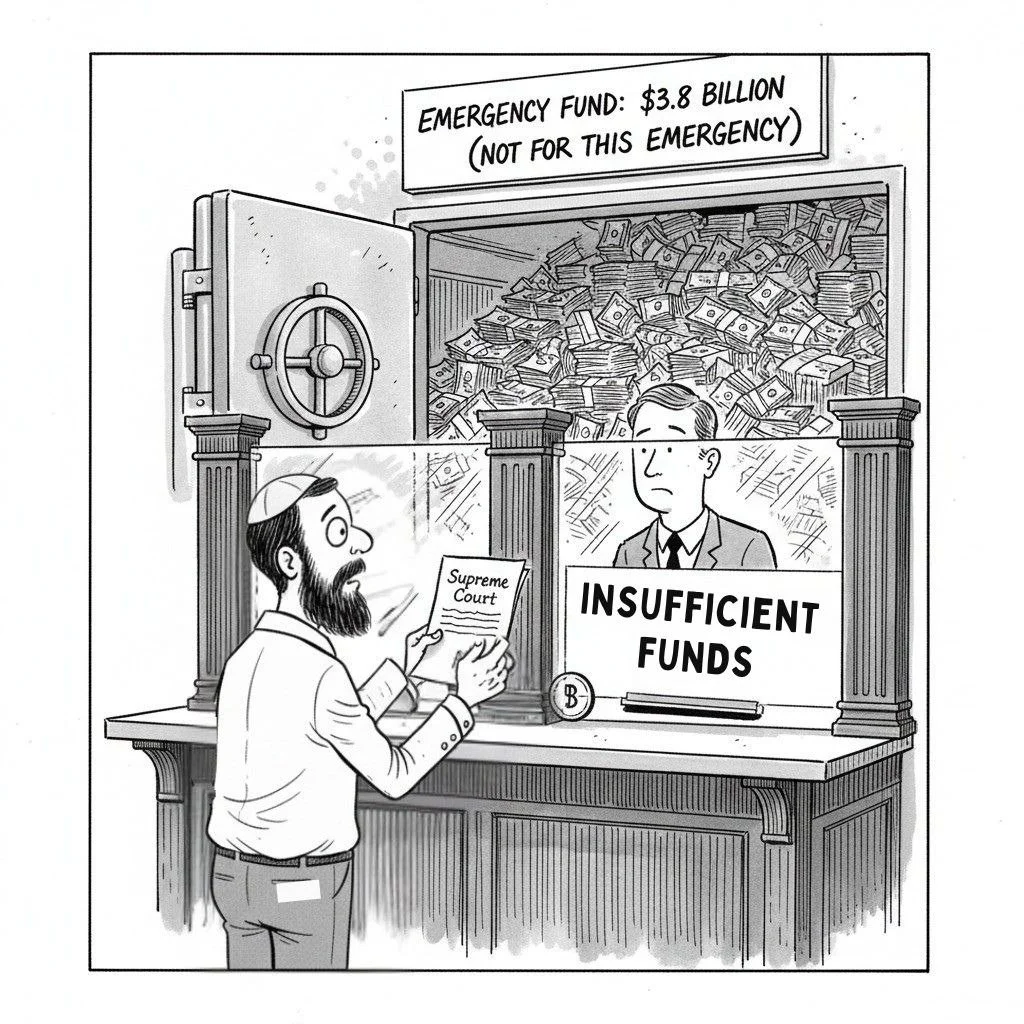
Nu, let me tell you about chutzpah.
Ohio built something special. A quality incentive program that actually worked. Hit your metrics, invest in staffing, improve outcomes, and the state pays you more. The gold standard. Other states studied it. Policy wonks kvelled over it.
So providers did their part. Hired CNAs. Invested in training. Improved their numbers. Played by the rules like good little operators.
And then Ohio changed the math. Because of course they did.
The state's Medicaid department used a calculation method that "shortchanged" the incentive pool. That's not our word, that's the Ohio Supreme Court's word. Providers sued. Case went all the way up. September comes, highest court in the state agrees with the nursing homes.
Victory, right? Mazel tov, cut the checks, everyone goes home happy.
Not so fast, chevre.
Four months later, nursing homes are still waiting for nearly $1 billion earned since 2024. A billion dollars. Real money. Real staffing. Real residents.
Meanwhile, Ohio's Rainy Day Fund? Sitting pretty at $3.8 billion. But sure, the checkbook is missing.
Here's where it gets really fun. Providers on accrual basis may have to count money they haven't received as income. The state owes you, won't pay you, and you still owe taxes on it.
Wiley called this "avoidable strain." We'd call it something else, but this is a family publication.
Governor DeWine, who launched this program, says he's "talking to the Legislature" and will be "dealing with this." Classic politician speak for "please stop asking."
But while providers wait, the Legislature quietly passed a bill in November locking in the lower payment calculation going forward. They didn't just refuse to pay, they rewrote the rules so they'd never lose like this again.
Ohio proved quality incentives actually work. Staffing up. Metrics improved. Model succeeded.
And apparently, that was the problem.
